Photography
-
Introduction
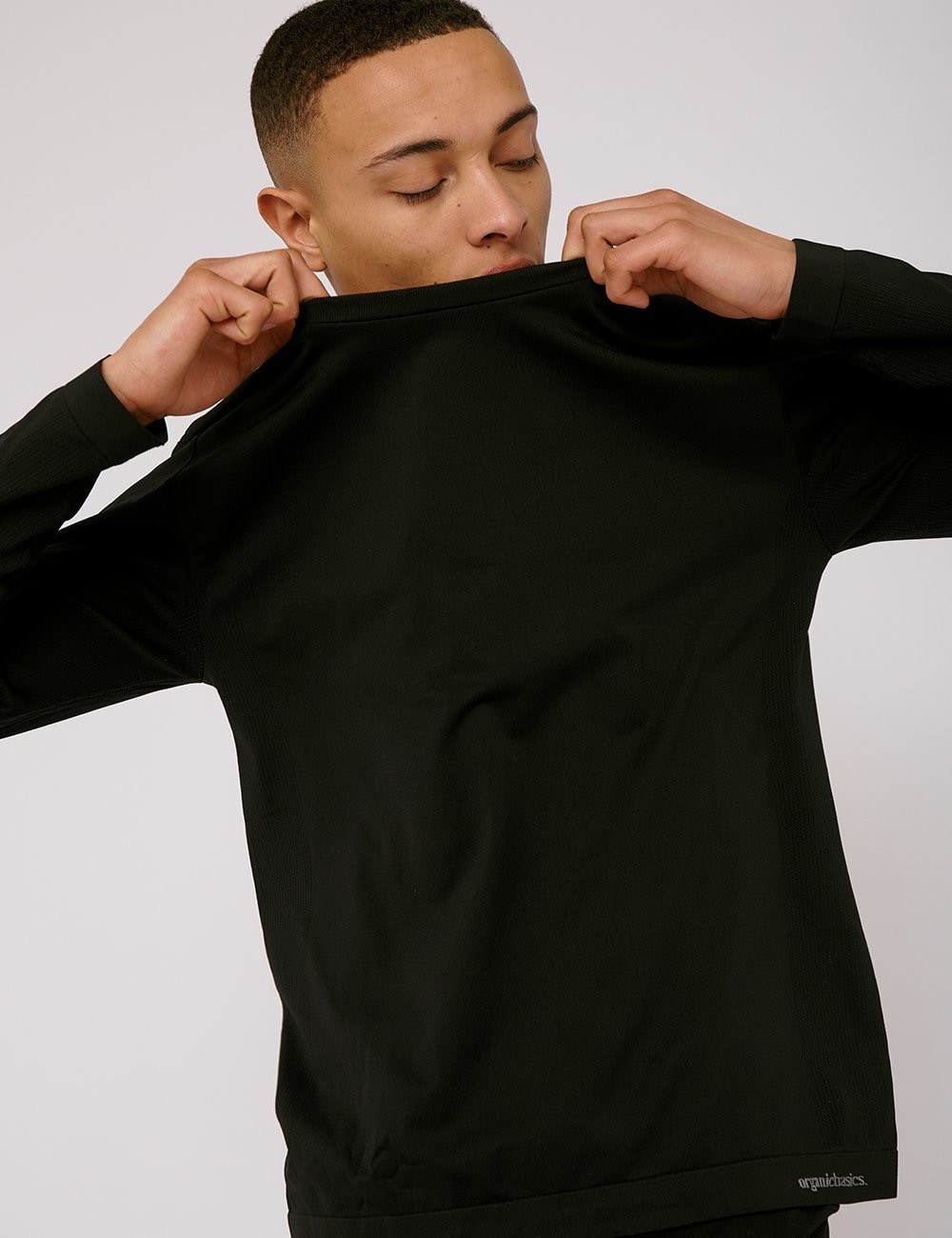
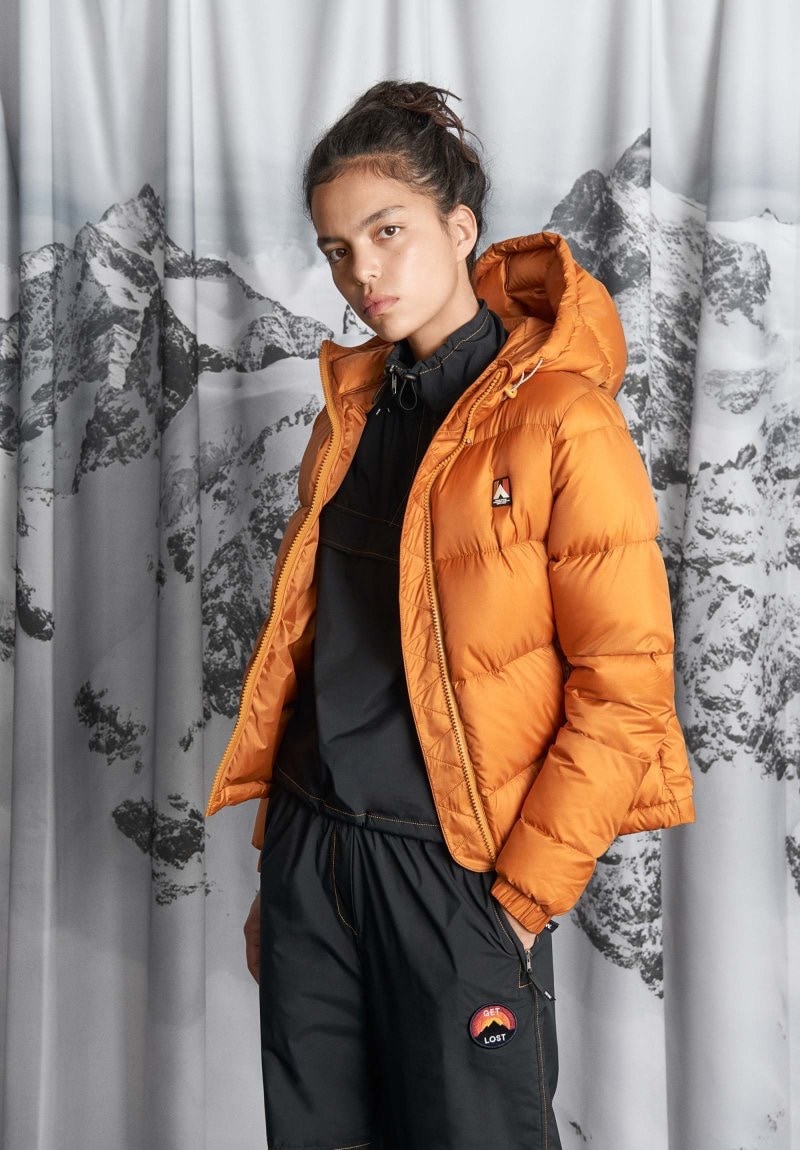
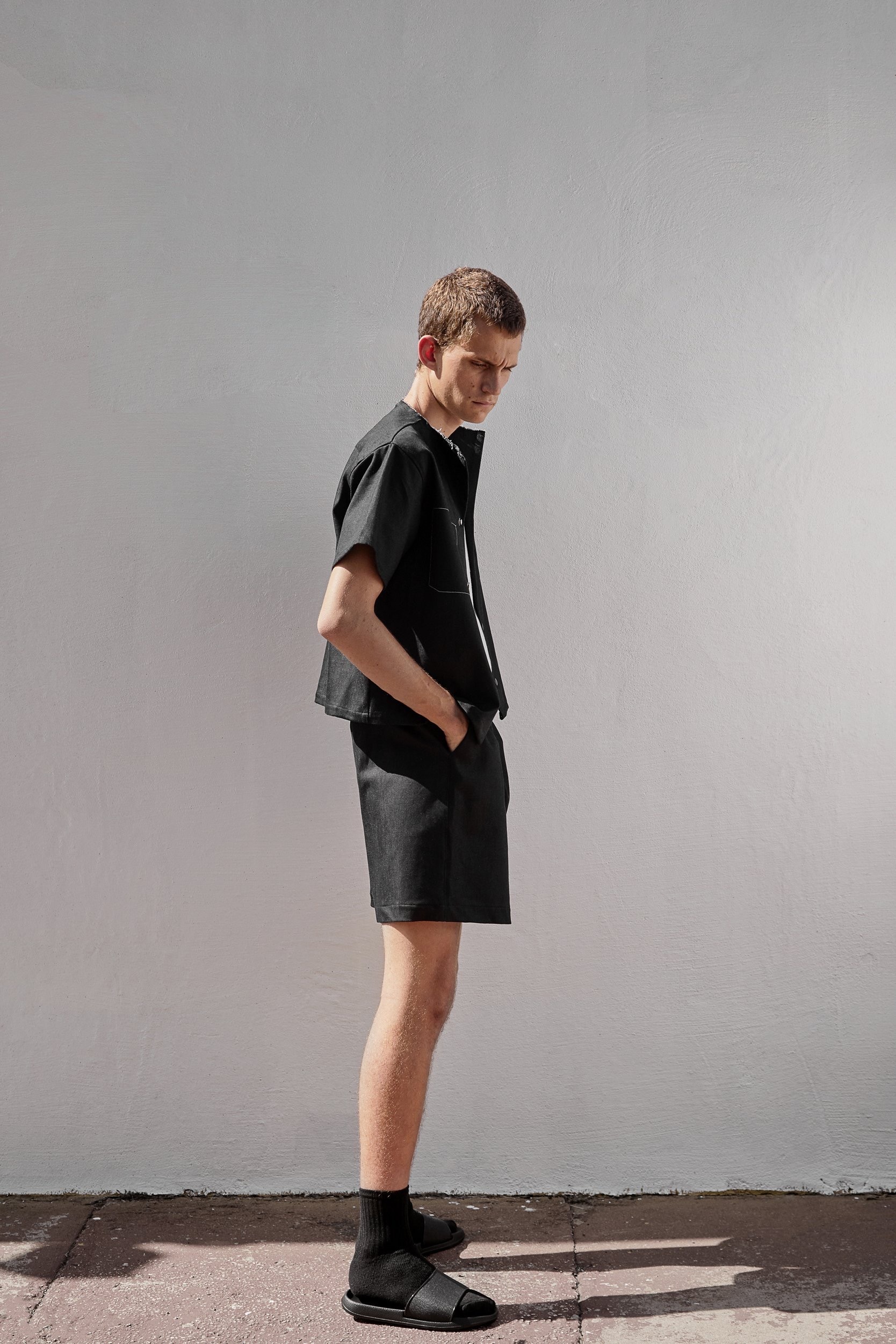
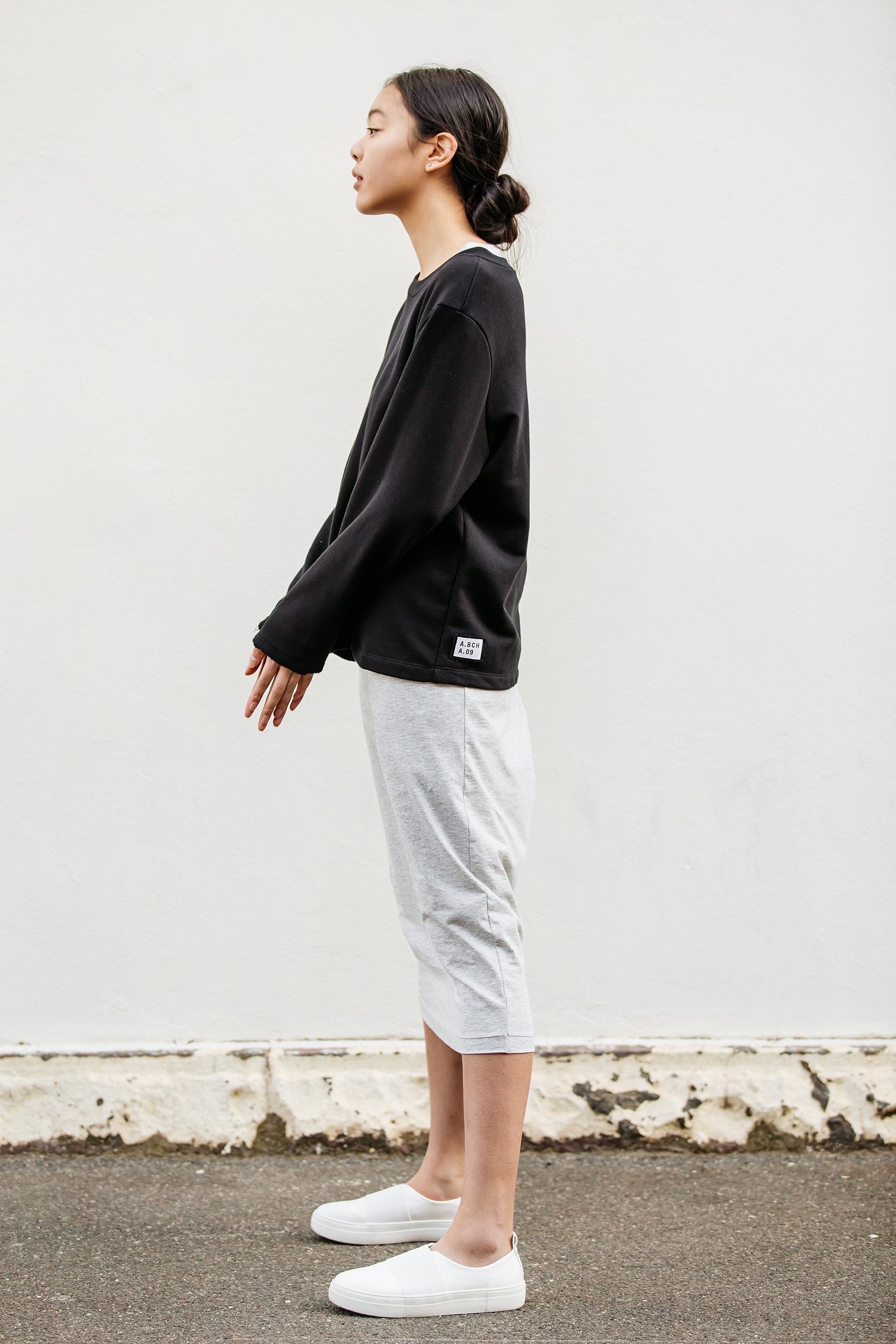
SUPER VISION is concerned with the product, its quality and its impact – everything else has to take a step back. Accordingly, photographing and presenting our products defines the photographic look of the brand. The image material it provides to our audience is of a calm nature, and it never make an effort to sell itself. There are three functionally distinct categories of product photography that may be used by themselves or in combination with each other:
- Pure Product
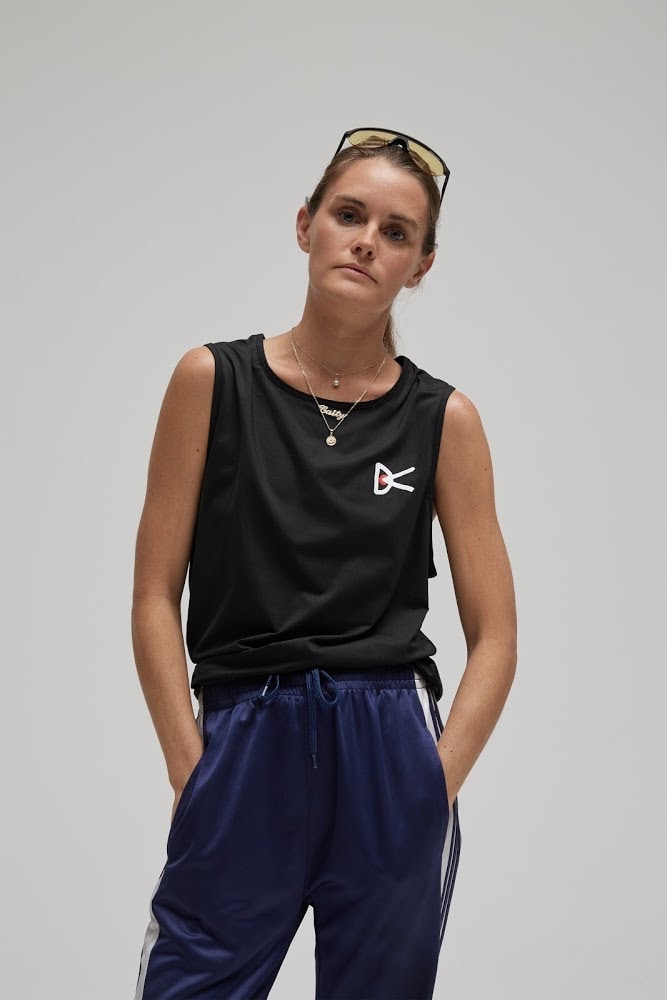
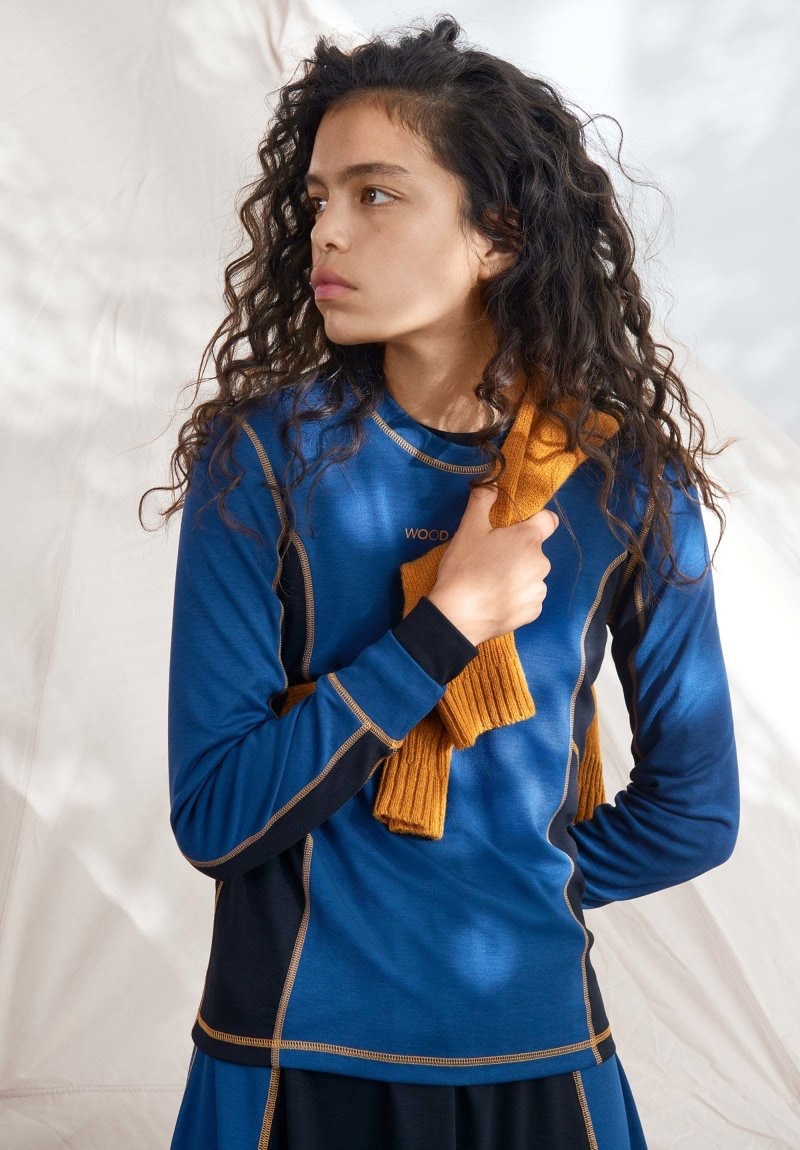
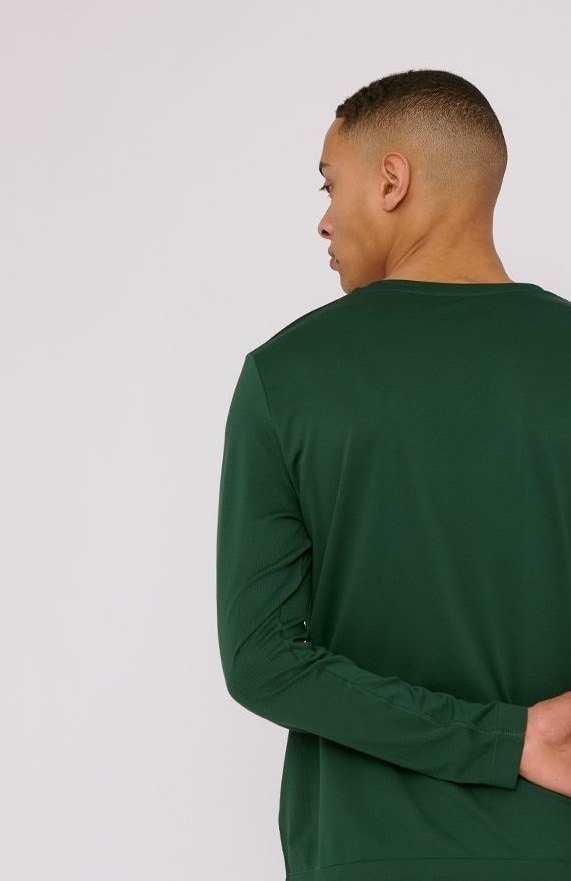
- Model Shots
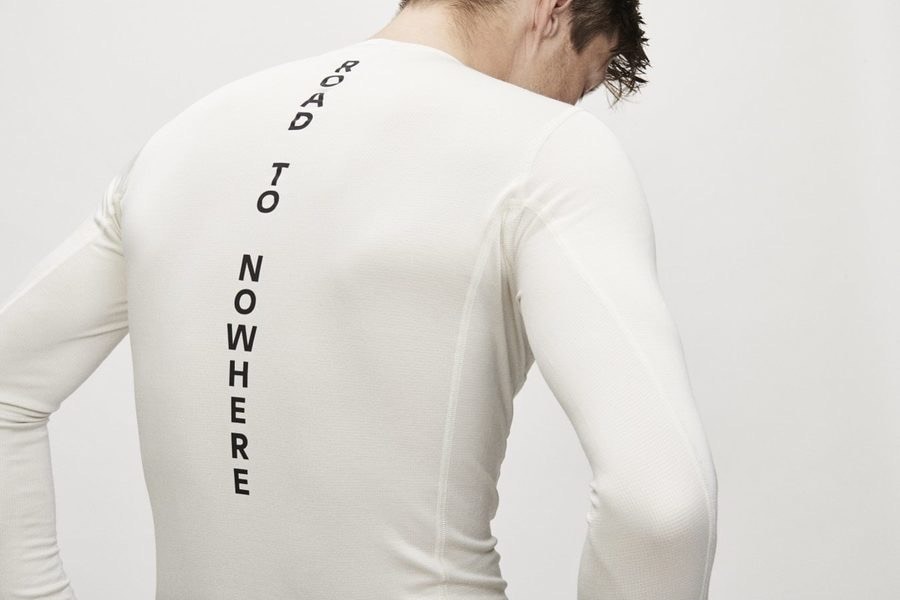
- Close-Ups
When presenting the world of SUPER VISION, our brand photography serves a crucial task: It ties our products to their usage in the real world. Therefore, our brand photography is both pragmatic and decisive: Instead of establising a specific look, we draw from all kinds of image sources to build a world that is as diverse and far-reaching as the cycling world itself. To bring a modicum of structure into the purposeful chaos, we differentiate two brand photography categories:
- Product in Action
- Context & Materiality
As outlined in the Layout chapter of this guide, SUPER VISION relies on grid-based collages to create a coherent whole from different kinds of photography – assigning prominence to the most important elements through the use of the Light & Shadow principle.
In the following, the photography categories are defined in detail.
-
Product photography
There are three types of product photos:
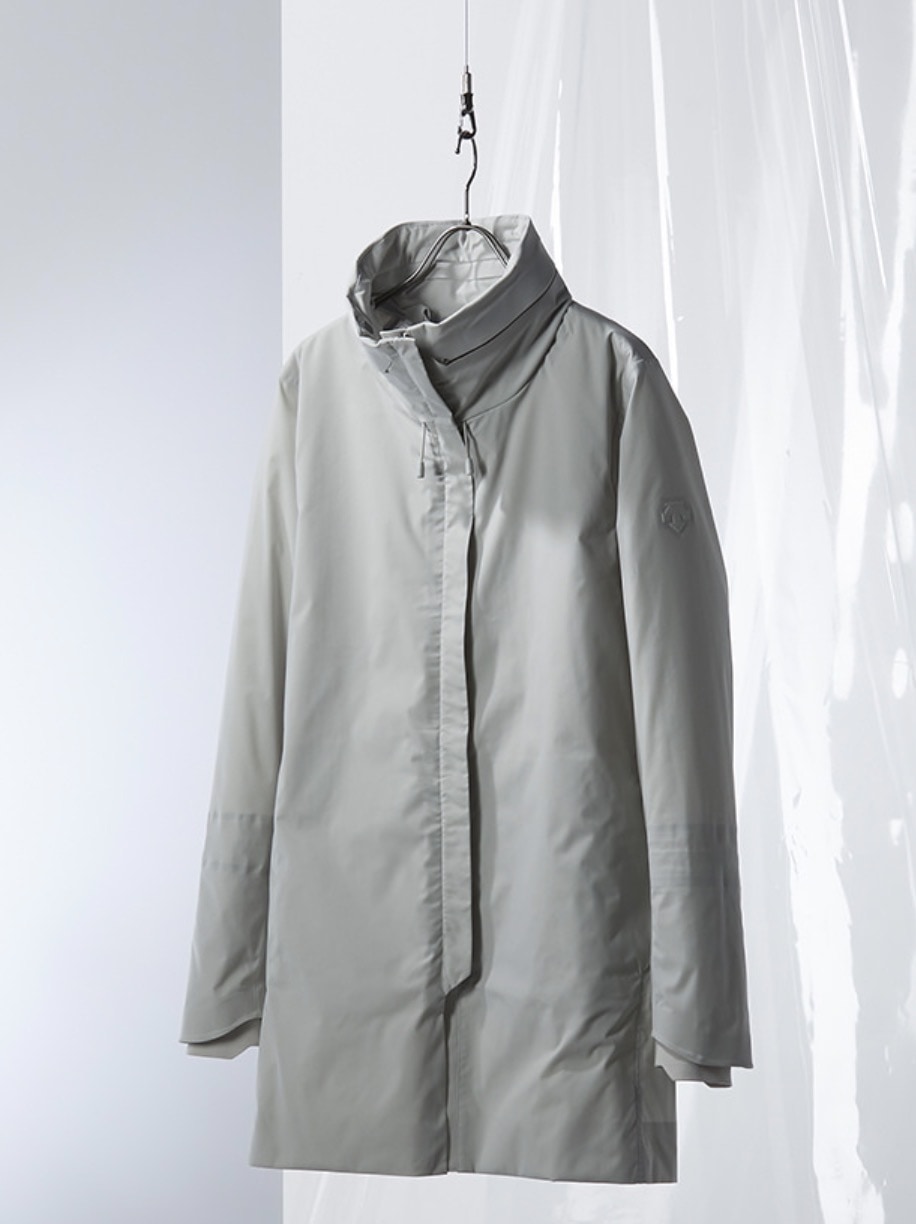
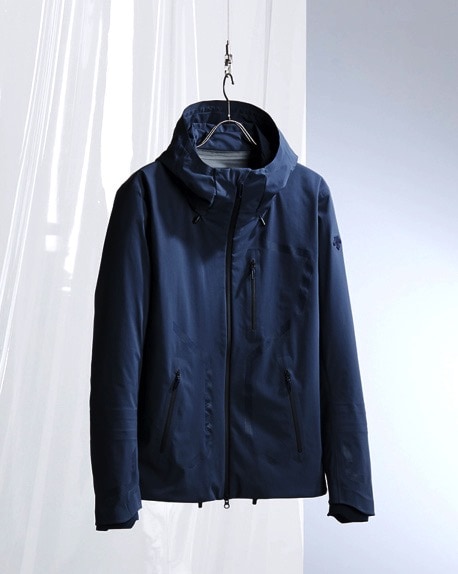
Pure product
When show product with focus: simple photos of hanging clothes, clearly visible their entirety, making them understandable.
We define a unique hanger option that becomes recognizable and can be used on fairs and in showrooms. Options: steel cable, special hook or carabiner.
Model shots
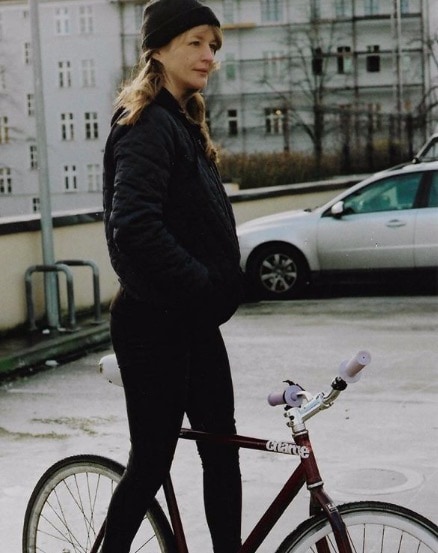
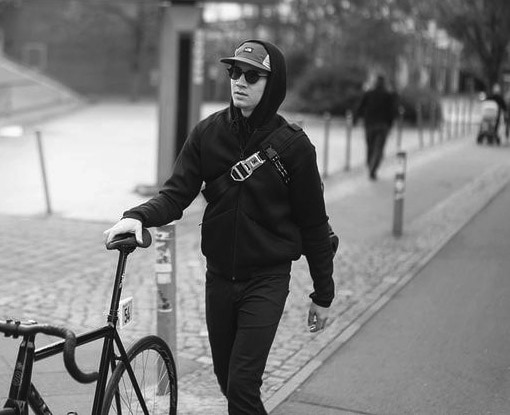
We try to recruit our models from the bicycle scene. There are ciclystrs of color, women and non-binary people who ride two wheels in a super visionary way. We recognize and value this, just as we value all types of cycling.
Close-ups
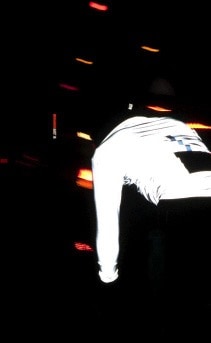
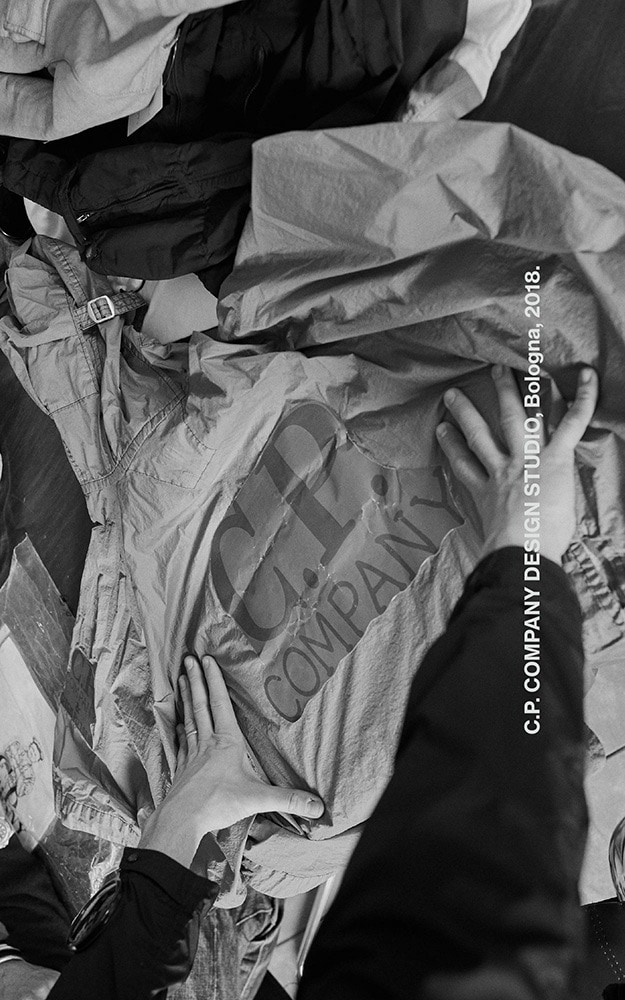
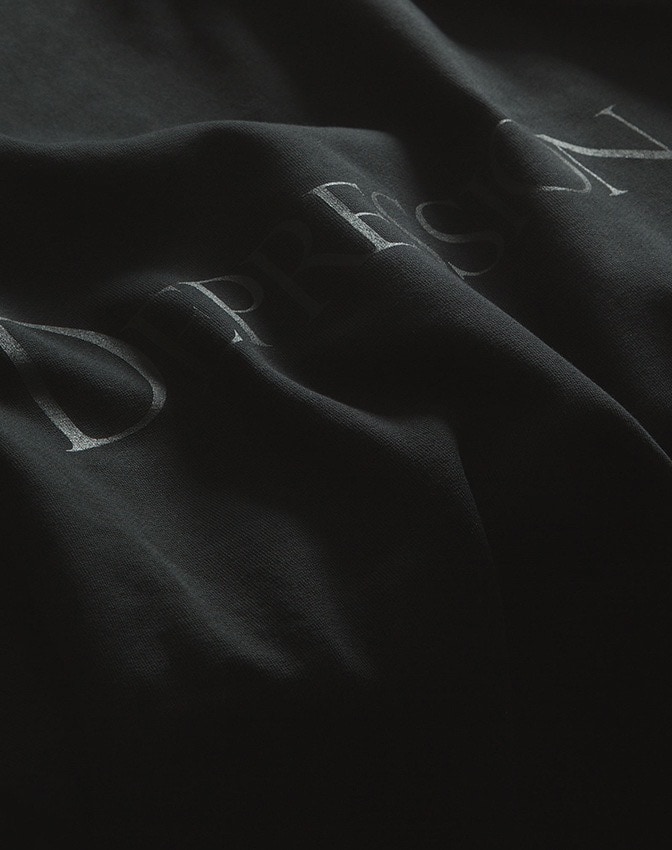
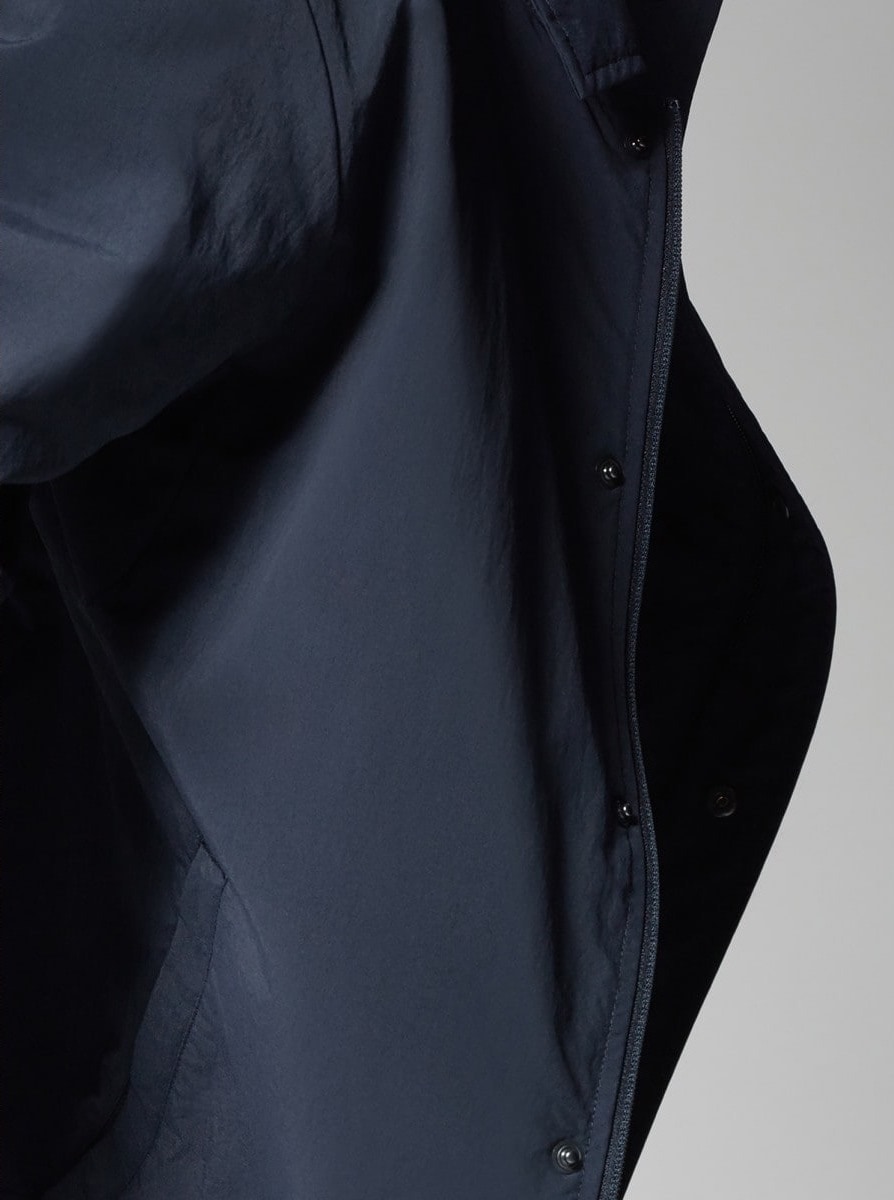
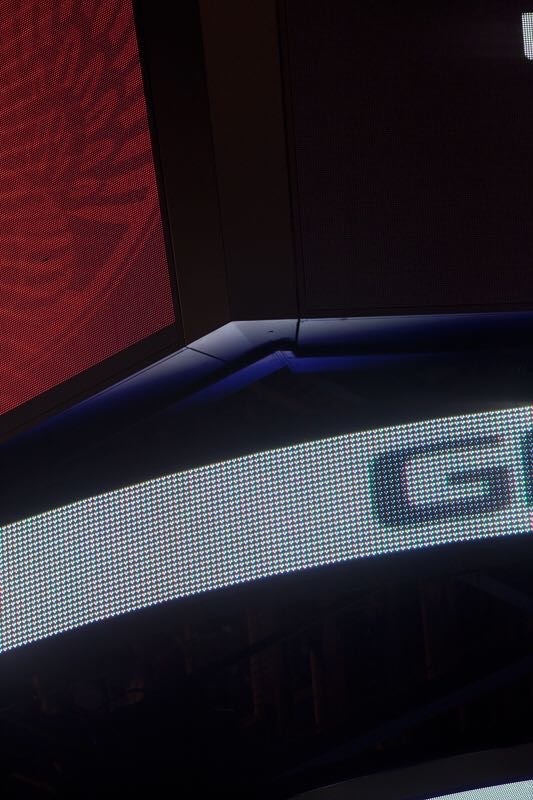
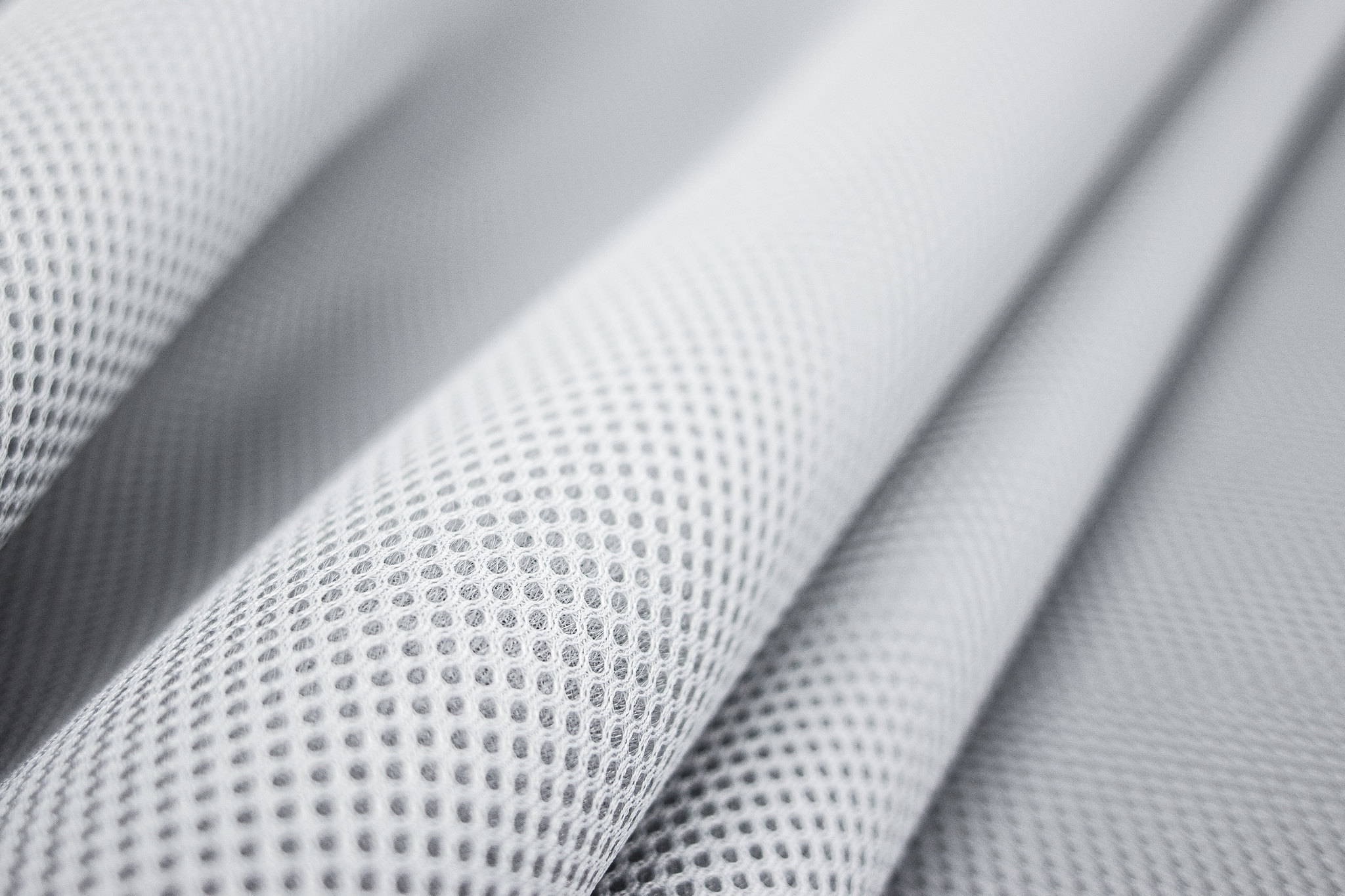
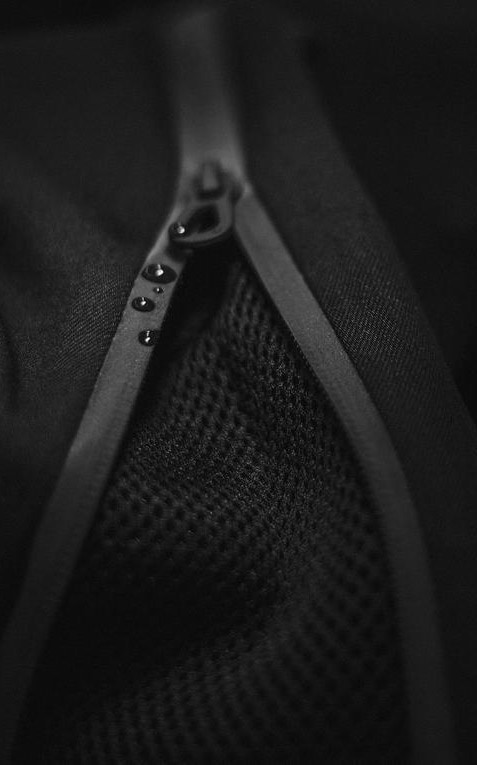
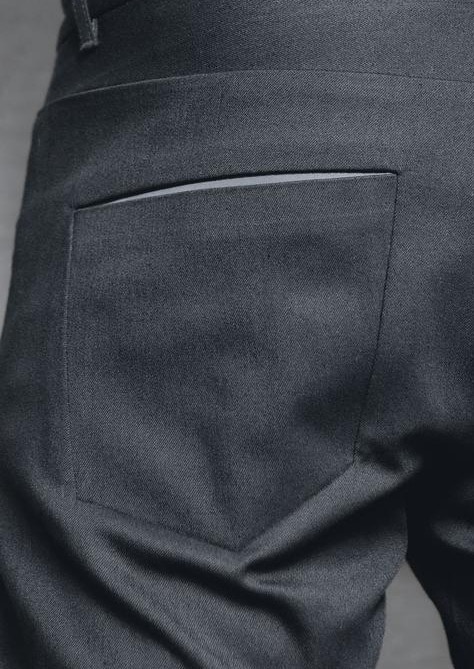
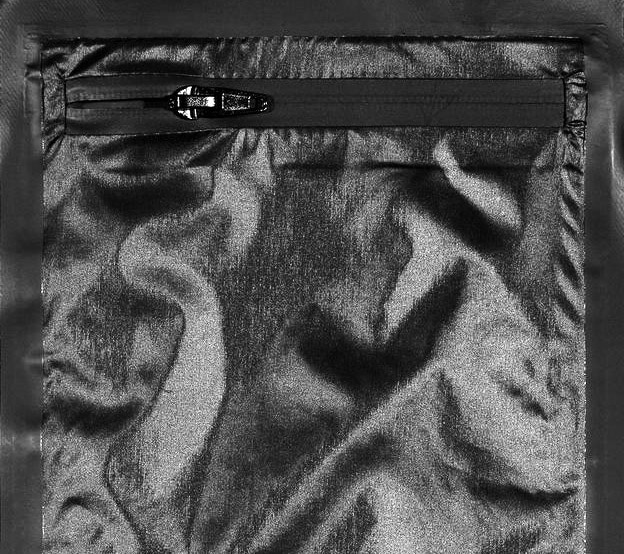
Our garments are functional, but not obviously so. That’s why we put their structural and textural aspects front and center. The Close-ups reveal special treatments and hidden features. Each photo should tick at least one of the following boxes.
-
-
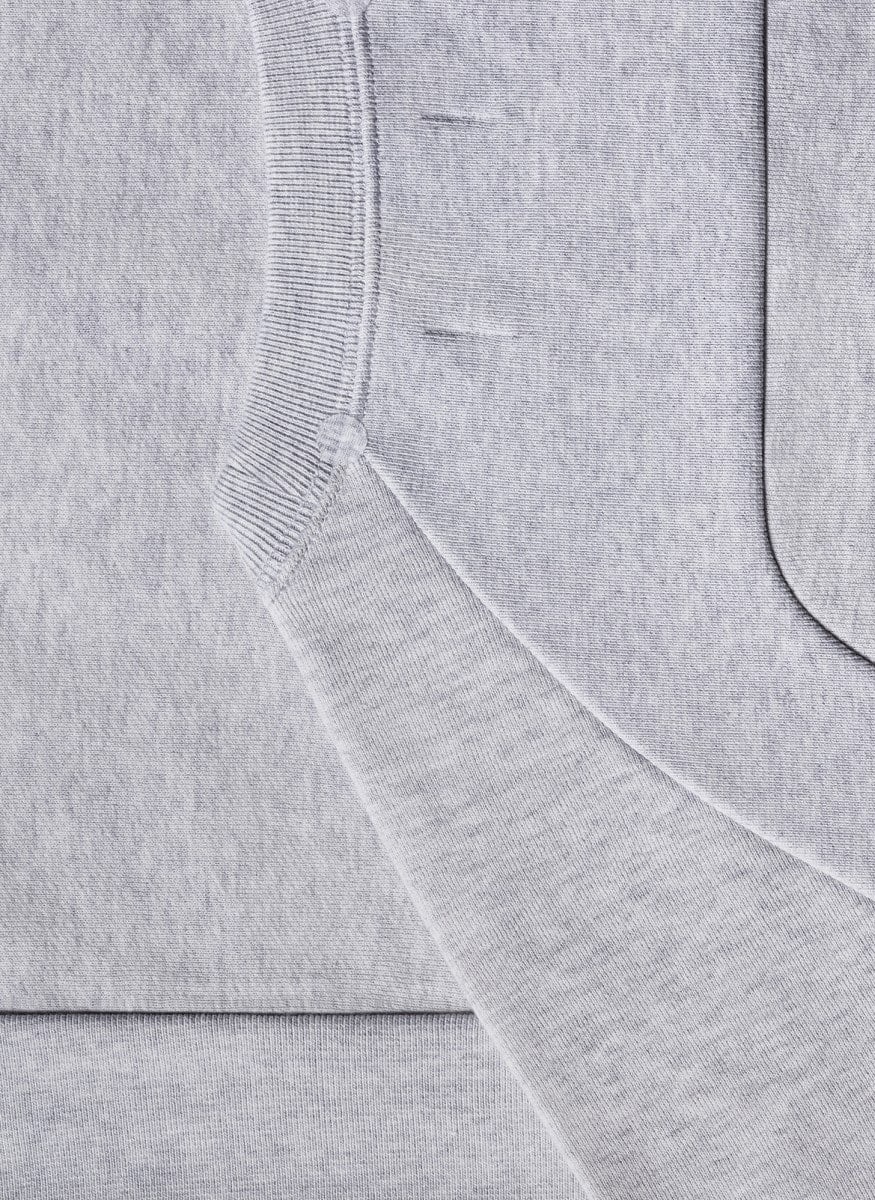
(Aesthetics) Using the garments to create pictures that have an abstract but arty quality to them. We show interesting edges, cuts, logo details and similar. -
-
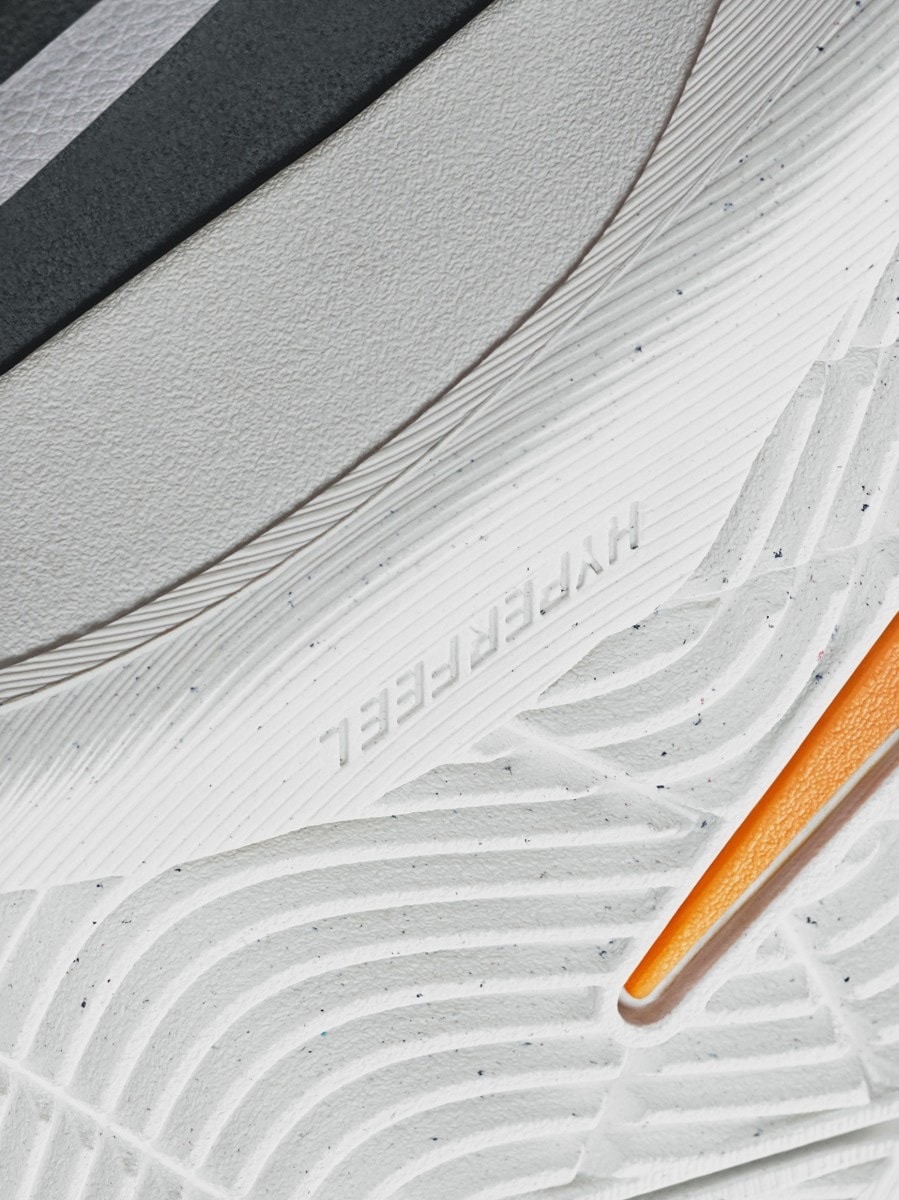
(Texture) Photos showcasing the unique material quality of SUPER VISION products. They are crisp and feel like one could touch them at any time. -
-
-
-
(Function) Details that highlight hidden features. Reflective or water-repellent material, zippers and more. -
-
-
Brand photography
There are two types of brand photography:
Product in action
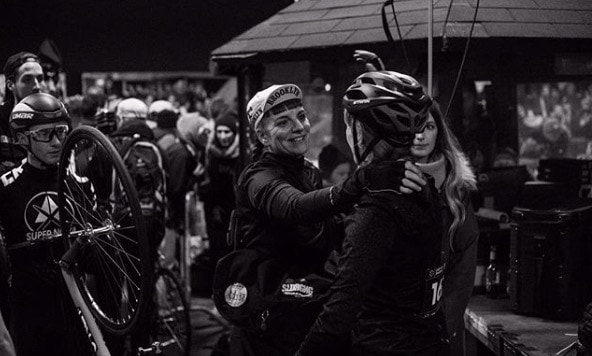
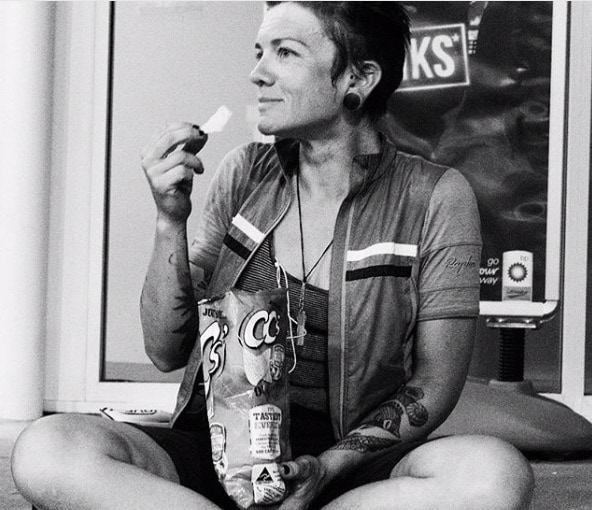
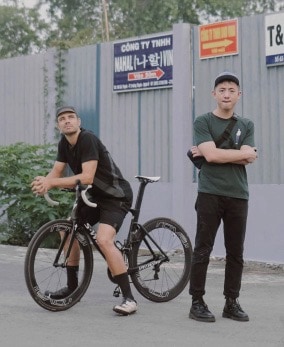
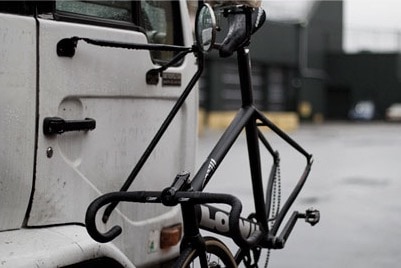
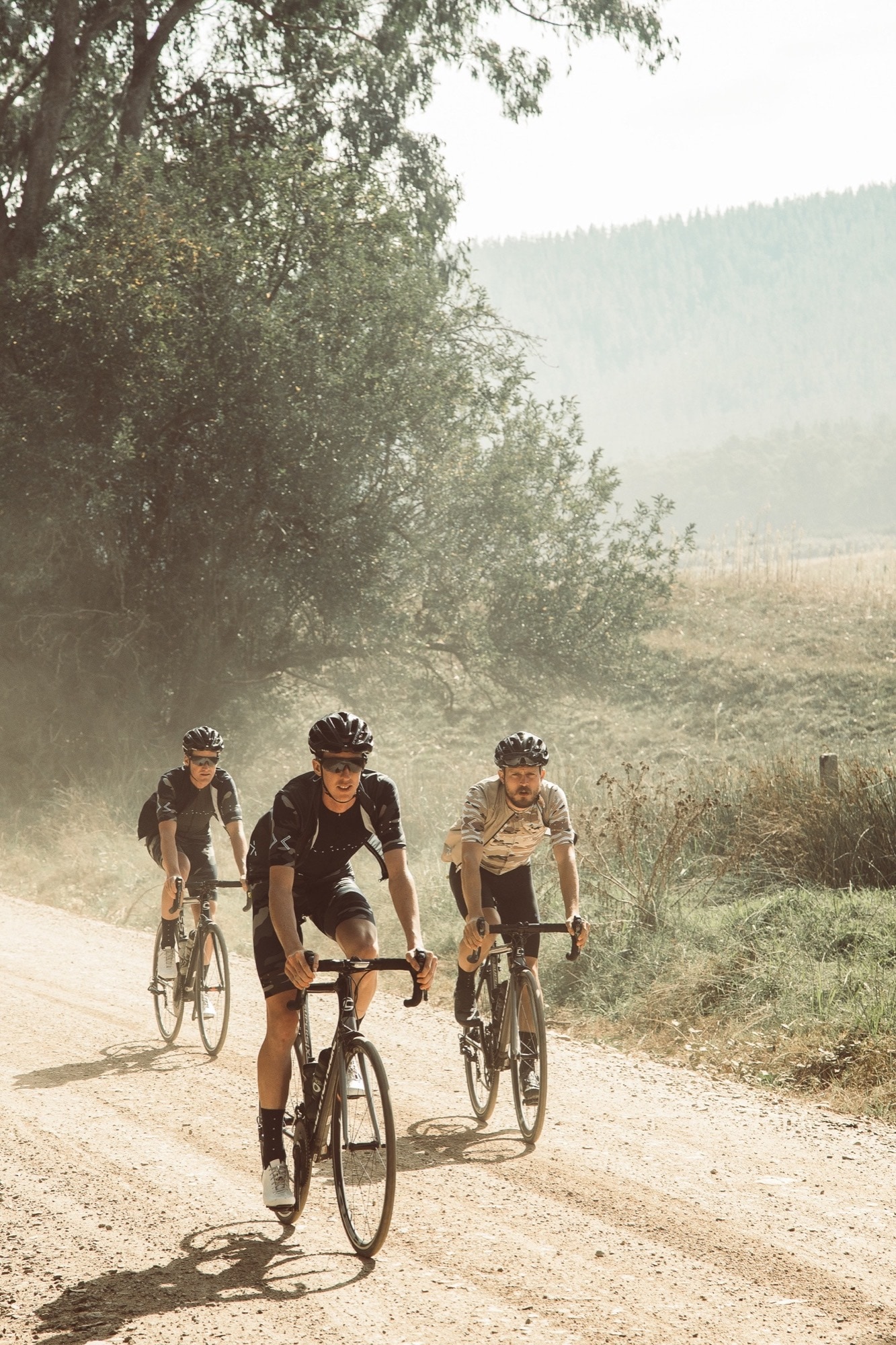
SUPER VISION is made to be used: humans are cycling or tinkering, drinking from a water bottle, living the urban life, patching the tire, lacing the shoes, getting a jacket out of the backpack. There is not always a bike to be seen, but no SUPER VISIONARY poses on house walls and stares into the camera.
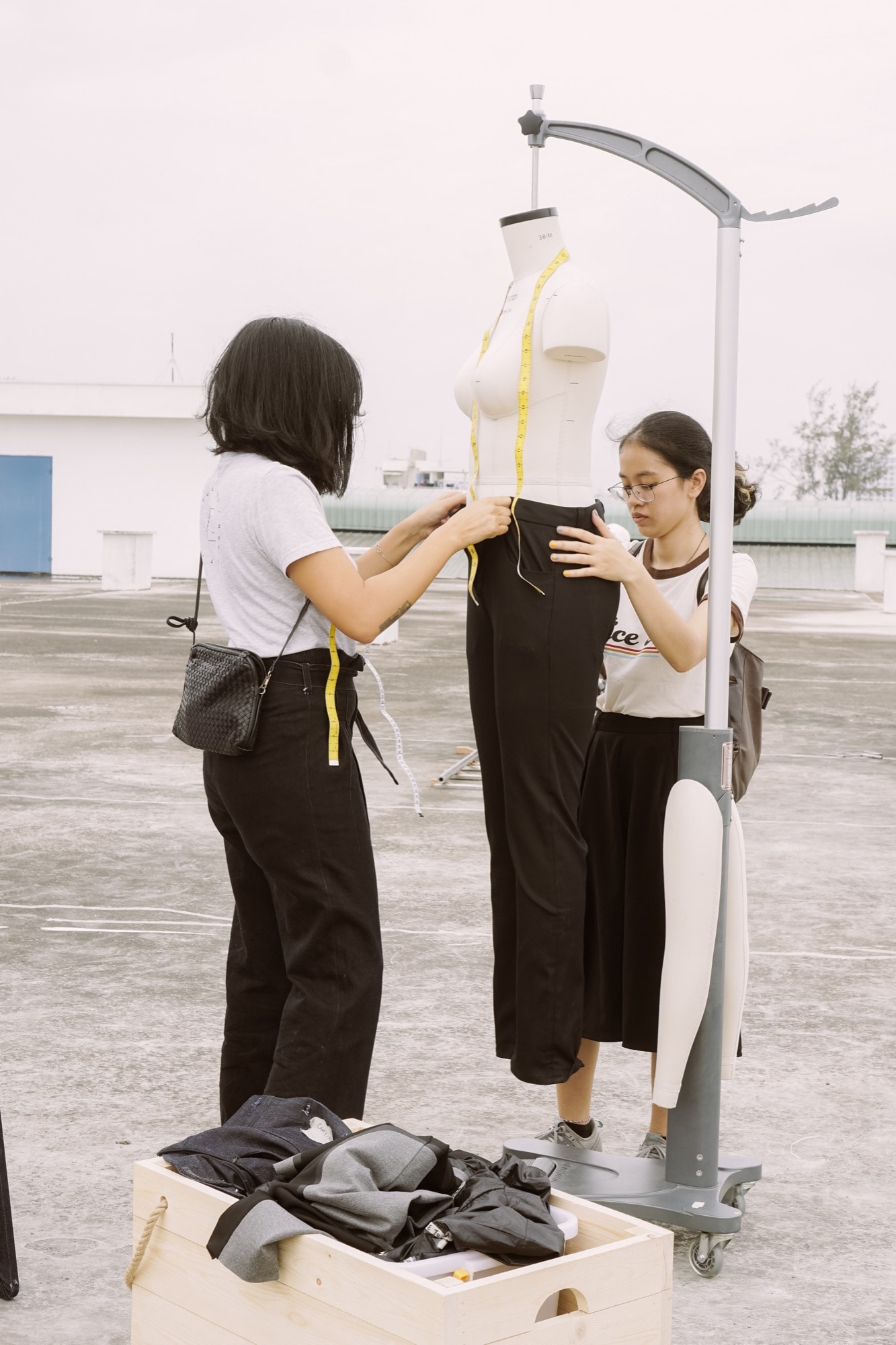
Our graphic design approach allows for diverse types of image styles and qualities. We draw from real-world experiences and we want to use actual pictures our team and associates take. They are far from being perfect, but just right.
Context & Materiality
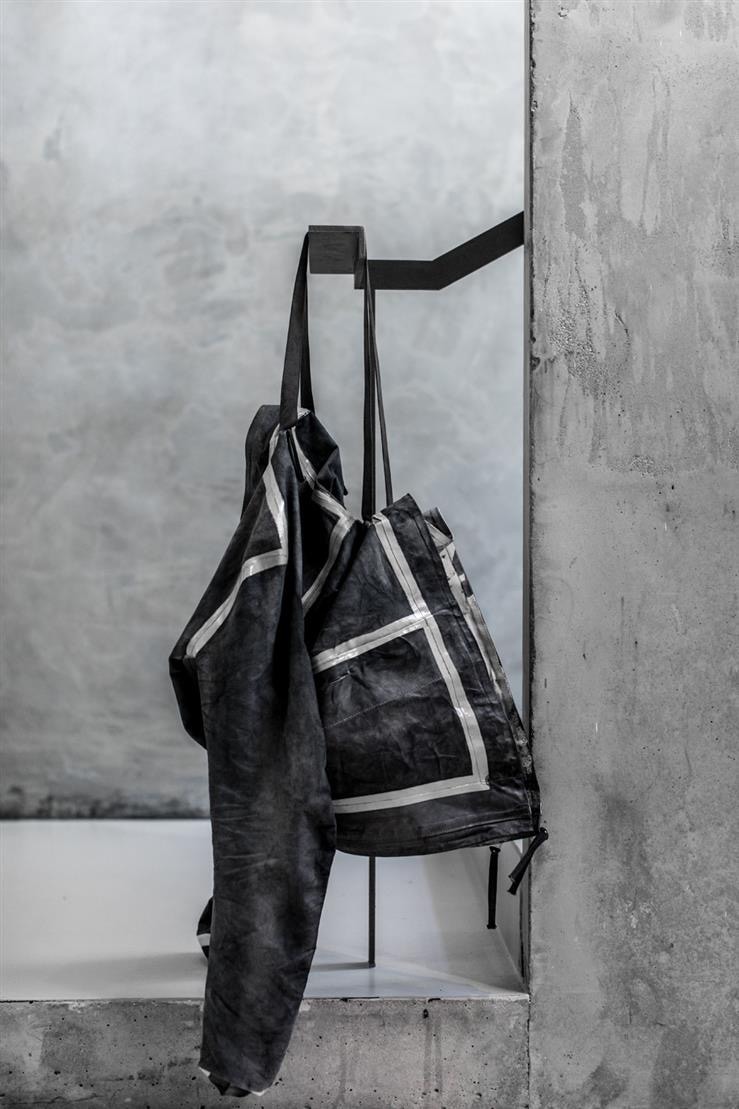
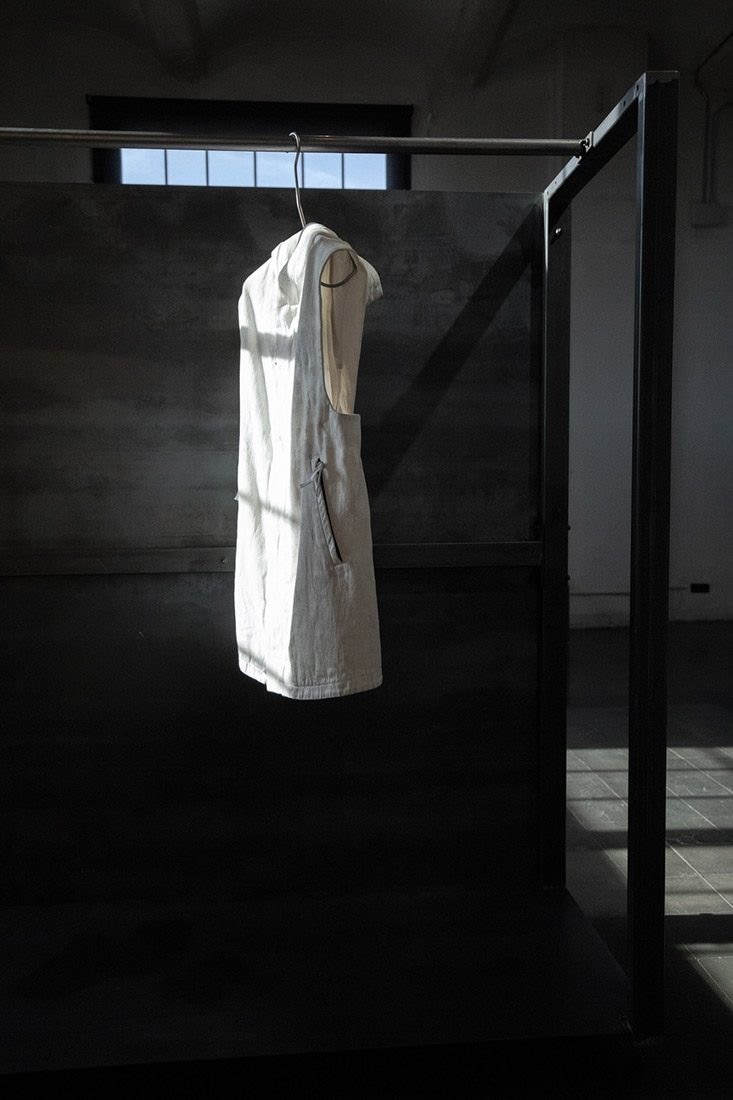
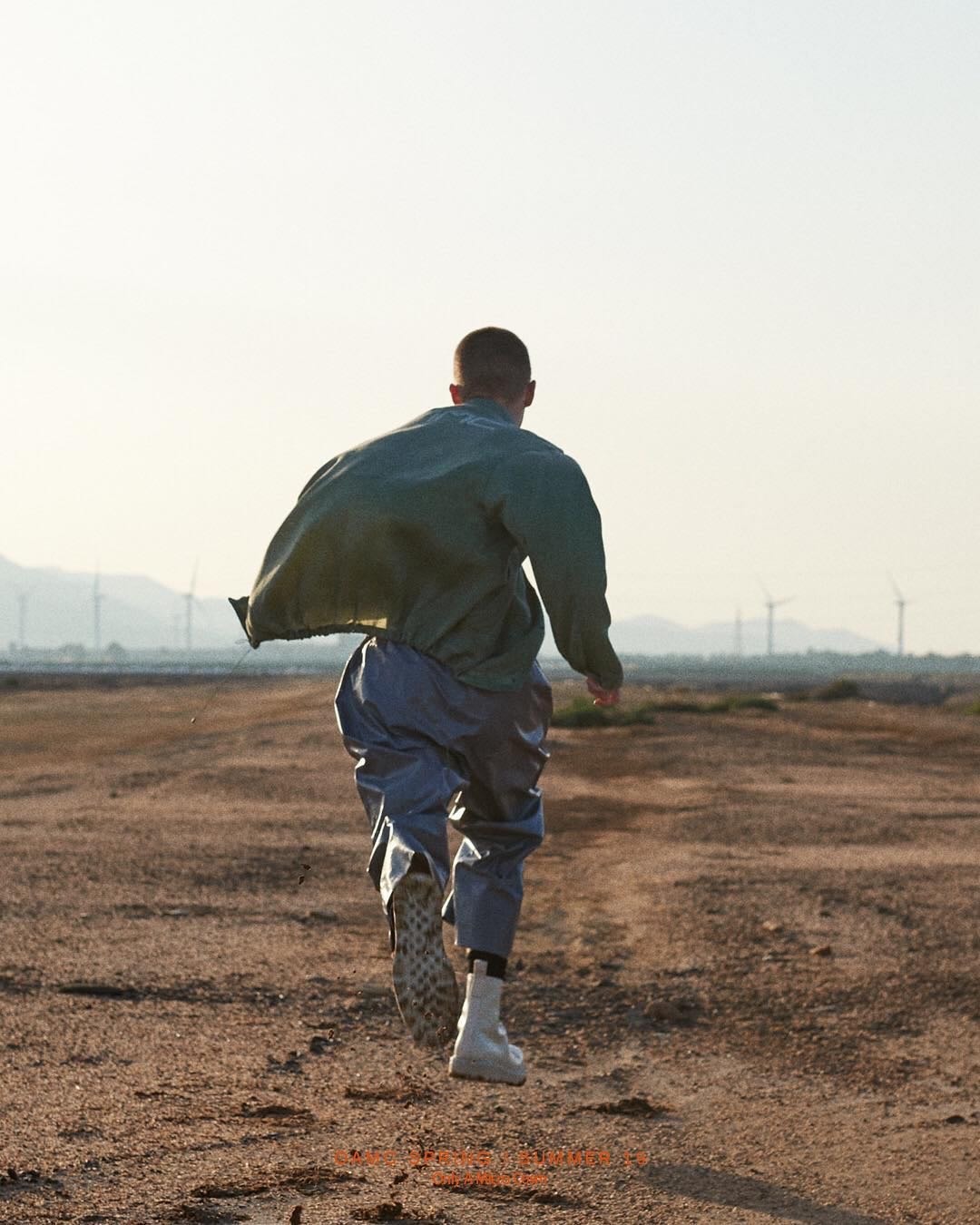
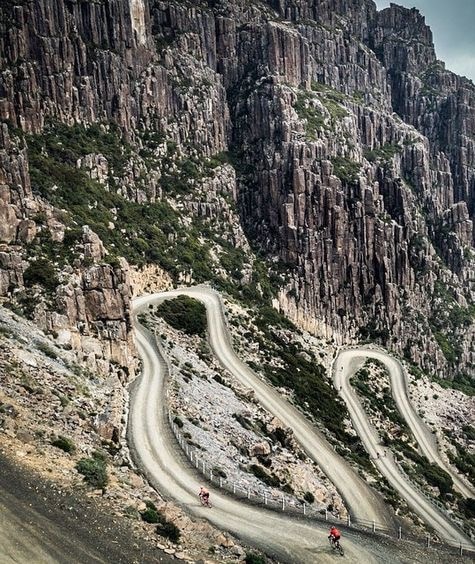
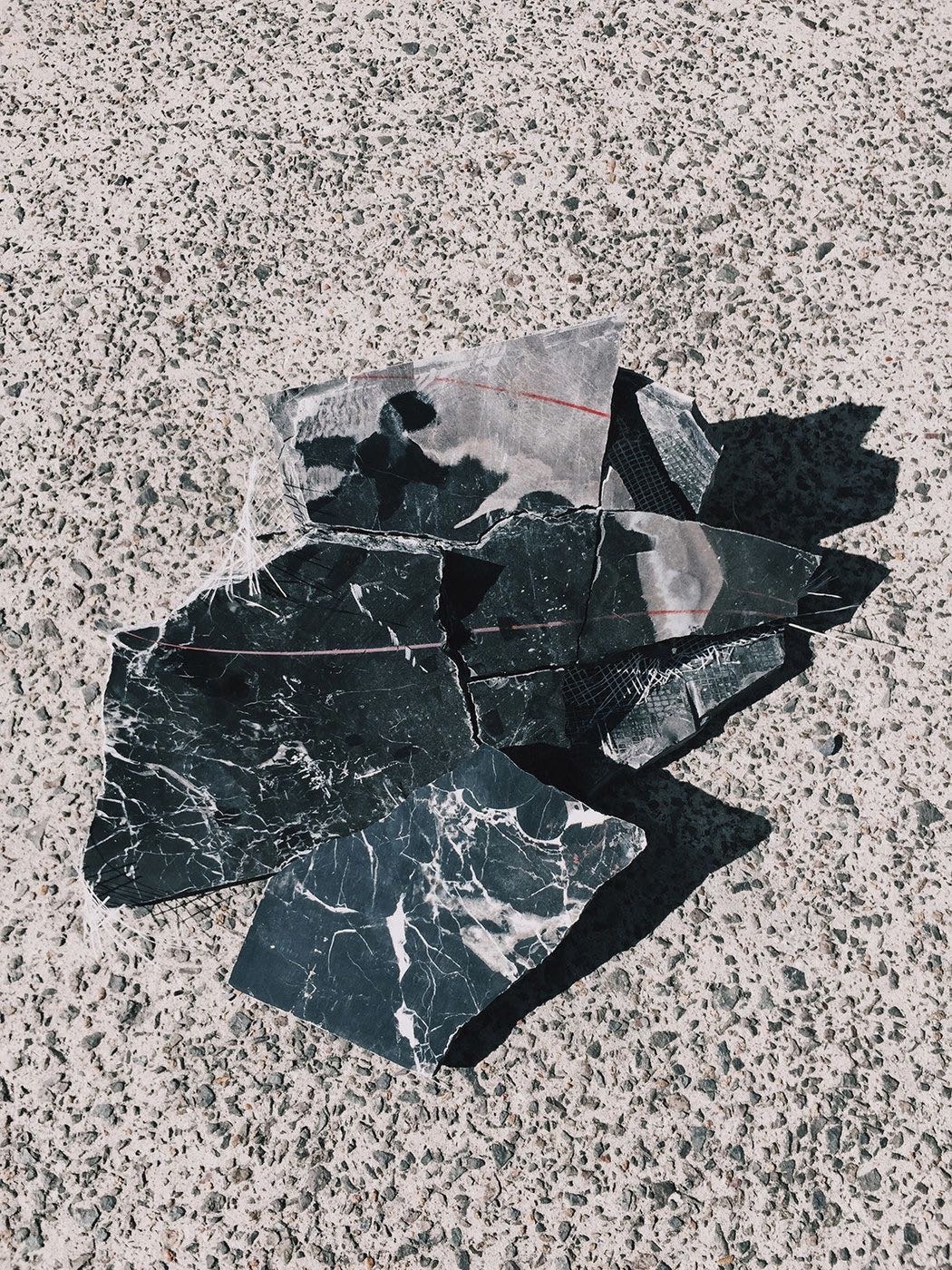
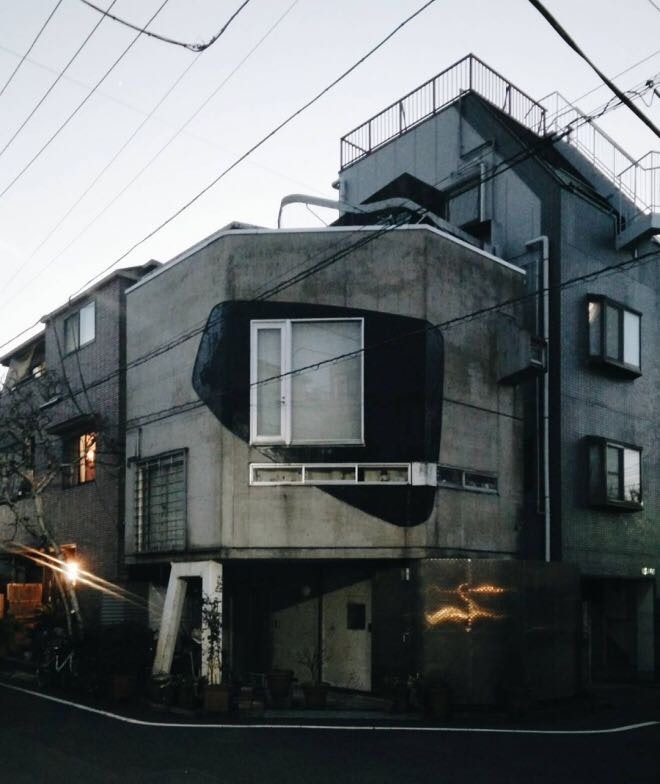
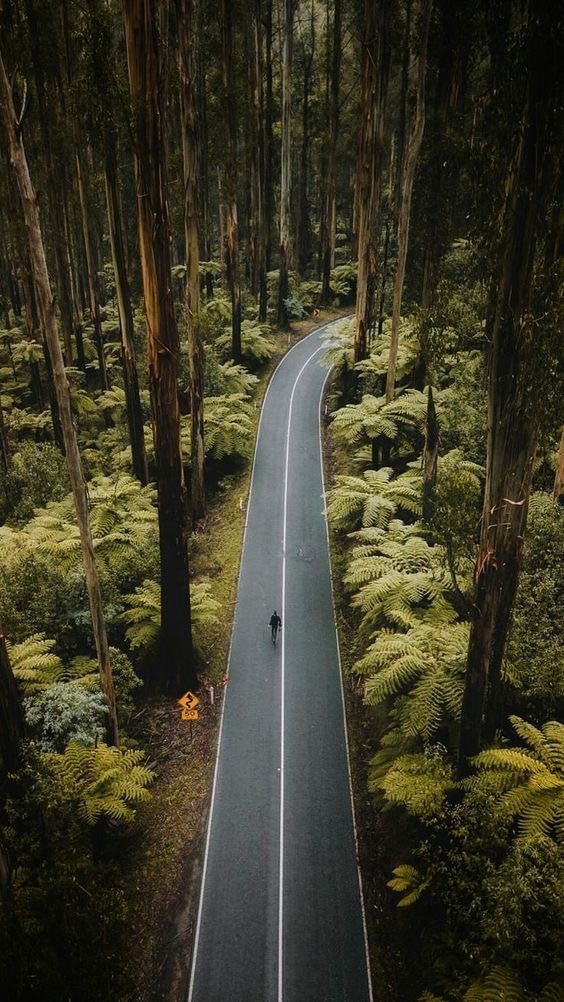
Road, mountains, forest, the city - SUPER VISION takes place everywhere. The materiality of our surroundings inspires our creators as well as our community. These are the worlds we live in.
-